In short
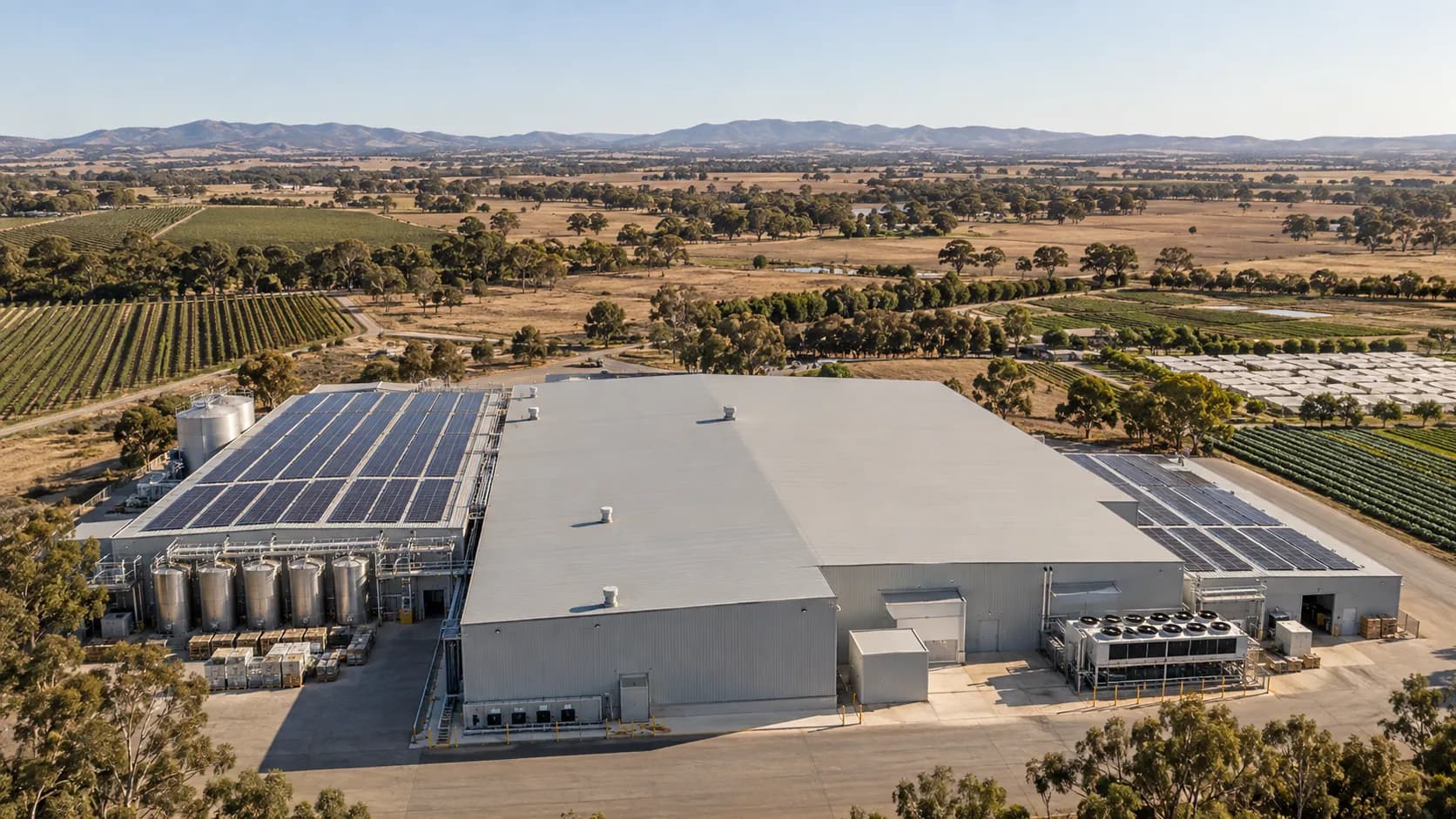
- An Adelaide cold store uses 85–90% of the solar it makes, and that matters more here than anywhere, because exports are worth almost nothing in South Australia.
- Every new commercial system up to 200 kVA must be dynamic-export capable: SA Power Networks can lower your export limit remotely. Size to the load and it rarely bites.
- No state rebate. The City of Adelaide council runs its own incentive scheme for sites in its area.
Yes, solar pays for most cold stores in Adelaide, and the reason is the one that makes South Australia different: the value is in what the site uses, because exports earn almost nothing. South Australia has the highest share of rooftop solar in the country, midday wholesale prices are often at or below zero, and the network manages that by controlling exports. A cold store, which uses nearly everything it makes, is the business least affected by any of it. This page covers what changes for an Adelaide site. The general case is on solar for cold storage.
| Quick facts | Cold storage solar in Adelaide |
|---|---|
| Distributor | SA Power Networks (the whole state) |
| STC zone | Zone 3, rating 1.382 |
| State help | No state rebate. City of Adelaide Sustainability Incentives Scheme in the council area |
| Export value | near zero; size to the load |
| What to send | one recent bill; we get the interval data from it |
What's different in Adelaide?
1. One network, and dynamic exports
Adelaide's cold stores sit mostly in the north: Pooraka around the produce market, Wingfield, Gepps Cross, Regency Park and out to Edinburgh Parks, with a second group south at Lonsdale. All of it is SA Power Networks, the one distributor for the whole state, which makes the connection process the most predictable of the five cities.
- Up to 30 kVA: a small embedded generator connection, dynamic-export capable since July 2024.
- 31 to 200 kVA: a medium connection, also dynamic-export capable: the network can change the export limit remotely when the grid is congested, and a competent installer builds for it. This is the band a 100kW cold store system sits in.
- Above 200 kVA: a negotiated connection with its own export agreement.
For a cold store the dynamic limit rarely matters, because the site uses nearly everything it makes. For a system sized to the roof it can cut the small export income to nothing. The Adelaide commercial solar page has more.
2. STC zone 3
Adelaide postcodes sit in STC zone 3, rating 1.382. For a 2026 install the scheme counts five years, so a 100kW system earns 100 × 1.382 × 5 = 691 certificates, rounded down. The zone table is on the Clean Energy Regulator's site. Since 1 October 2026 the discount covers eligible systems up to 1MW.
3. No state rebate, a council one in the city
The South Australian Government has no commercial solar rebate; the current list is on energy.gov.au. If the site is in the City of Adelaide council area, its Sustainability Incentives Scheme lists business and commercial solar among what it can rebate. Most cold stores are outside that area, so for most sites the STC discount is the whole of the upfront support.
4. Heatwaves and near-zero midday prices
Adelaide's summer brings runs of days over 40°C, when refrigeration load peaks and the grid is under the most strain. That is also when the panels make the most, so a cold store covers its worst hours with its own power. The other local fact is the export price: with so much rooftop solar in the state, midday wholesale prices are often at or below zero. Retail export credits follow. An Adelaide proposal that leans on export income to make the payback look good is not one to trust; ask for the numbers with exports set to zero, which is how the example below is done.
A worked example for an Adelaide cold store
Here is a worked example with made-up figures. These are example figures, not our prices or a real site. The price is the one our commercial solar cost page uses for a 100kW system.
- A 100kW system in Adelaide, assumed to make about 1,450 kWh per kW a year, so about 145,000 kWh a year.
- The cold store uses about 90% of that itself, 130,500 kWh, because refrigeration runs around the clock. 14,500 kWh goes to the grid.
- At $0.28 for each kWh the site no longer buys: 130,500 × $0.28 = $36,540. Exports are counted at $0, because a Adelaide business usually earns nothing for them (see below).
- Yearly saving $36,540. At an example price of $73,000 after the STC discount, that pays back in about 2.0 years.
With the small export counted at $0.05 instead of $0 the saving rises by about $725 a year, which barely moves the payback. That is the point: an Adelaide cold store's return does not depend on exports.
What to send
Just one recent electricity bill, every page. Using the meter number on it, we get your interval data, which shows the day and night split, the heatwave peaks and the demand charge. You don't need to request anything from your retailer.
If you know them, mention the number of compressors, the defrost schedule and whether the roof is insulated panel. Send a bill and an accredited installer prepares a costed proposal sized to how your site uses power. Already have a quote? Compare it line by line with our checklist, starting with how much export income it counts on.