Australia-wide · No cost · No obligation
Your electricity bill already tells the story.
Your roof tells us how much solar you can fit. Your electricity bill tells us how much solar you actually need. Send it through and we’ll use your energy data to design a solar and battery solution that makes financial sense for your business.
New to commercial solar? Read the guide.
What you get back
- 01A system size in kilowatts, worked out from your consumption profile rather than your roof area.
- 02Installed cost, the STC discount applied to it, and what you'd actually pay.
- 03Annual saving and payback, with the assumptions listed so you can argue with them.
- 04Anything that could stop the project: switchboard capacity, roof condition, export limits on your part of the network.
Installed from
1 Oct
2026
The STC discount now extends to systems up to 1 MW
Regulations made on 16 September 2026 extend the STC discount from systems up to 100 kW to systems up to 1 MW, for solar installed from 1 October 2026. The Clean Energy Regulator says applications will not open until mid to late November 2026.
Sources: Mid-scale Solar Regulations 2026 (Federal Register of Legislation) (opens in a new tab); Clean Energy Regulator: mid-scale solar (opens in a new tab)
By site type
Sized for how your site uses power
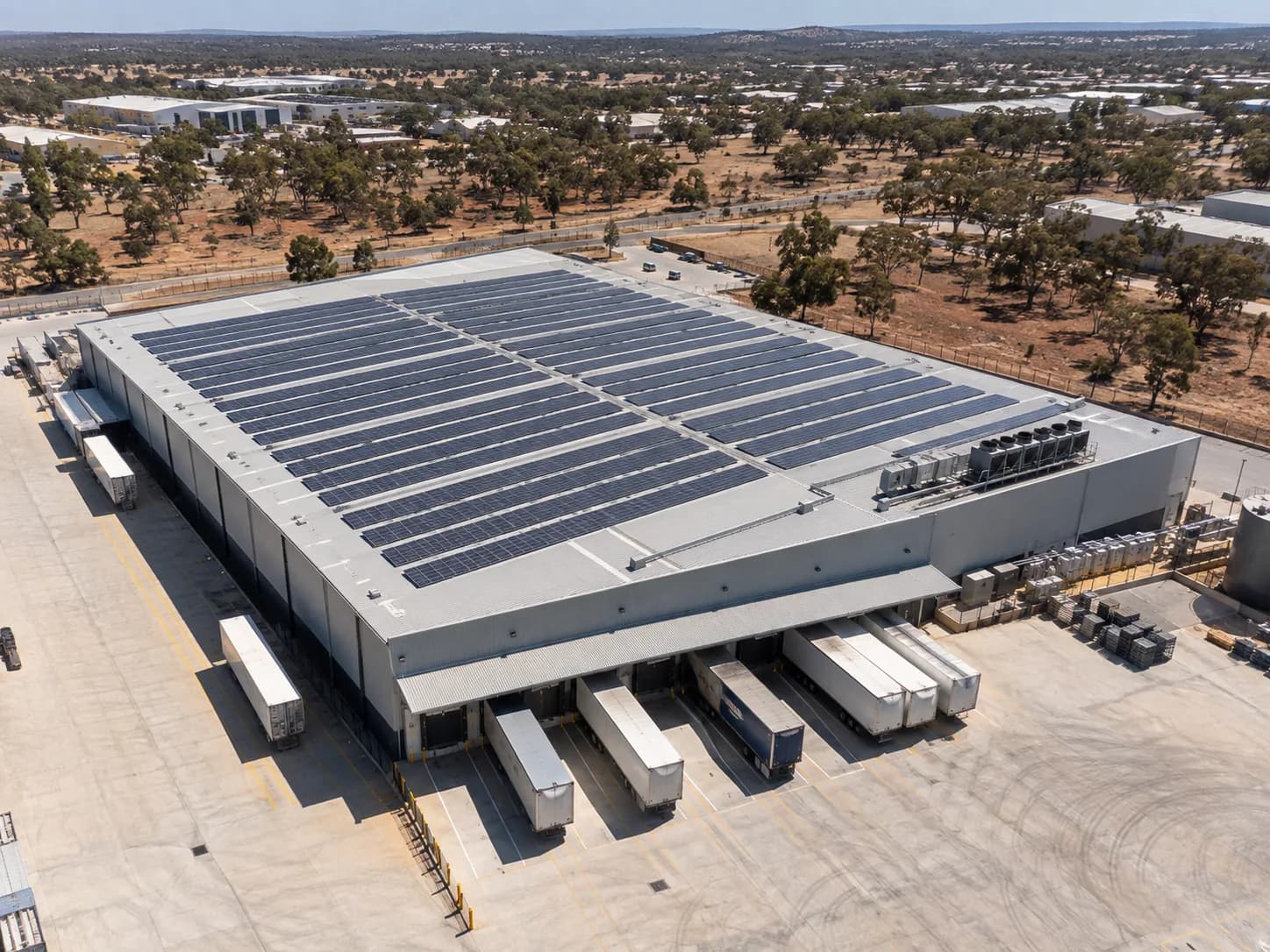
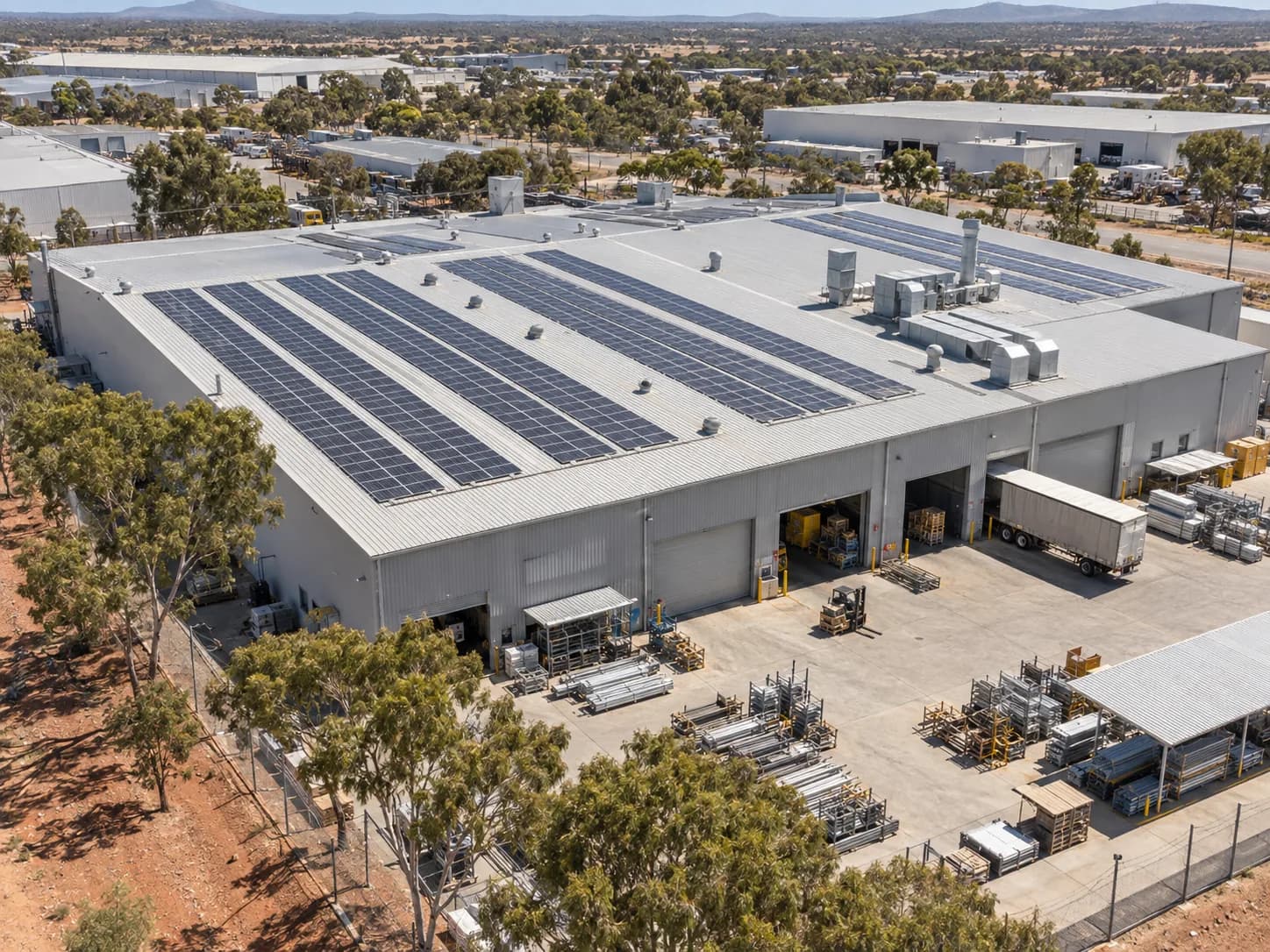
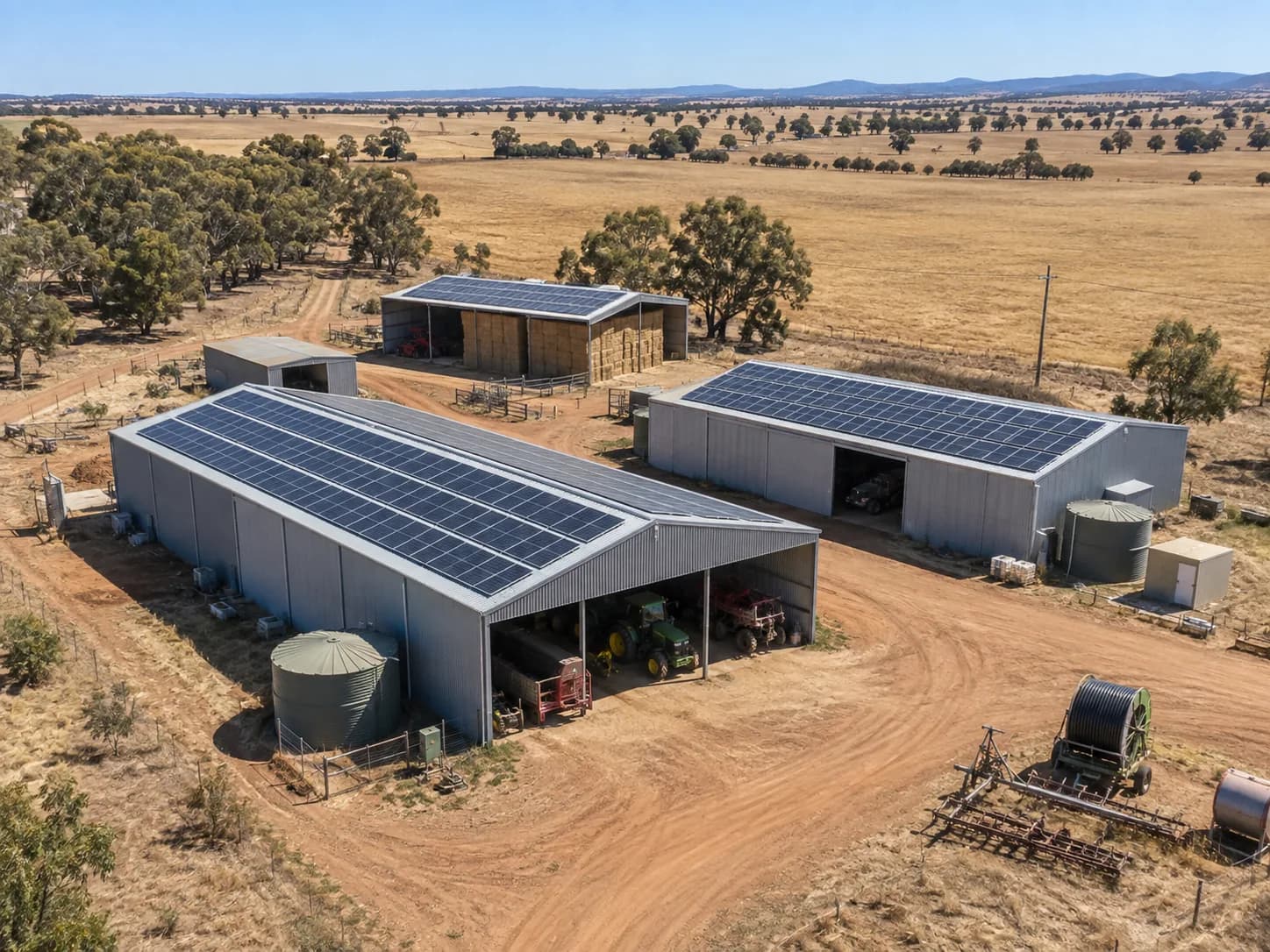
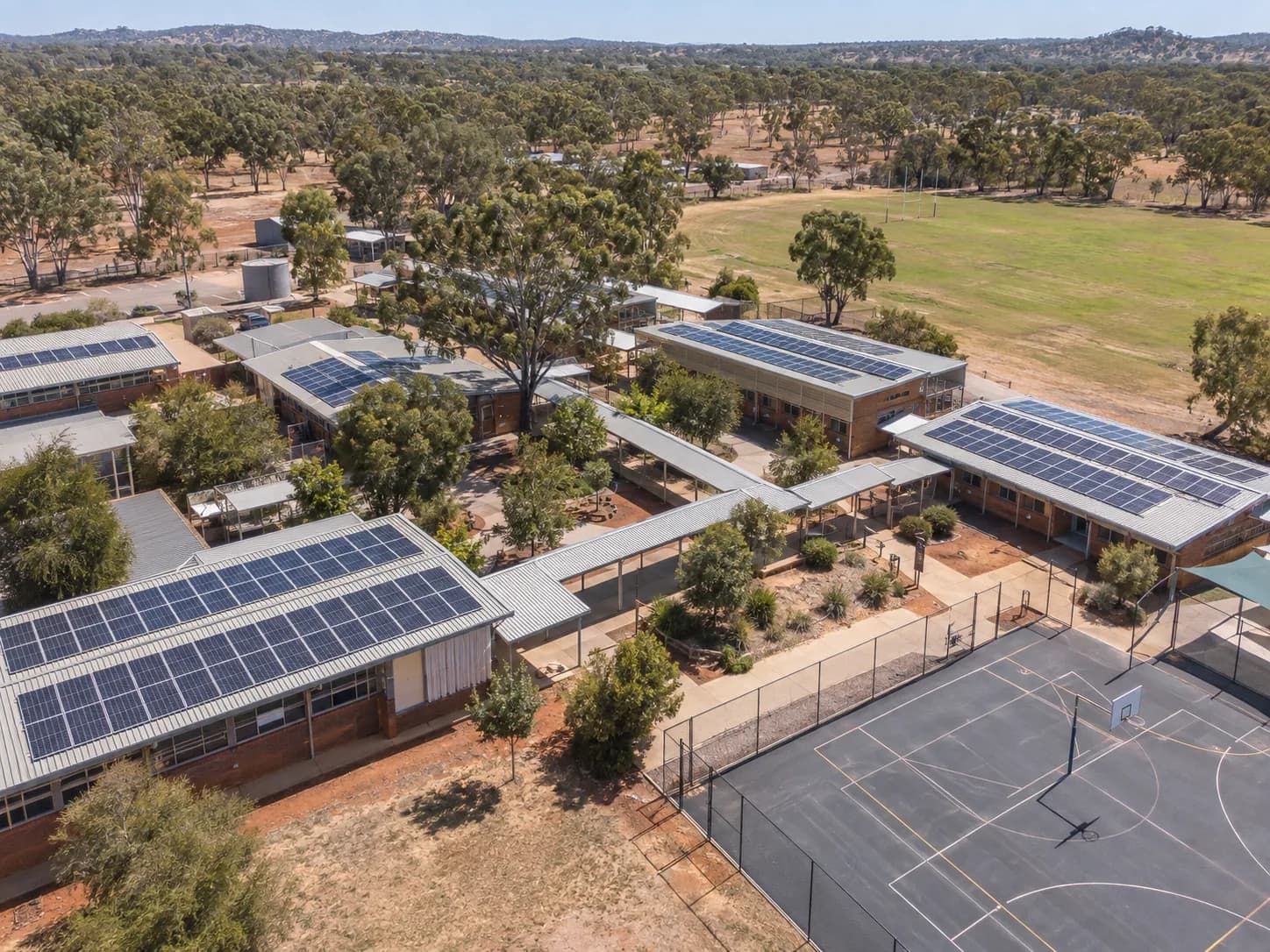
The load profile decides the system, not the roof. Four shapes come up most, and every industry has its own page.
The process
How it runs, start to finish
Four steps. The only thing we need from you is the first one.
- 01
Send the bill
One recent bill, every page. Two minutes on the form. Interval data helps but isn't required.
- 02
We read the load
Consumption by time of day, demand charges, tariff structure, seasonal swing.
- 03
We size and price it
Sized to your load, checked against your roof and your network's export rules.
- 04
You get the proposal
Numbers, assumptions and risks in one document. No follow-up campaign either way.
The part most quotes skip
Exports pay very little. Your own load pays.
Feed-in rates are low, and midday wholesale prices in some states sit near zero. A system earns its money by covering power you’d otherwise buy, so it gets sized to your daytime load, not to your roof.
Any proposal leaning on export revenue to flatter a payback figure is worth reading twice. Ours shows the split so you can see where the money actually comes from.
A 50 kW system on a Brisbane warehouse, one year
Both bars are the same measure, drawn to the same scale.
58,000 kWh × $0.28
14,500 kWh × ≈ $0.05
Total annual benefit $16,965, before any demand-charge reduction. Exports are 4% of it.
Indicative ranges
What a commercial system costs
Every figure is a range, because roof, switchboard and network conditions move the price.
| System | Roof area | Installed | Saved a year | Payback |
|---|---|---|---|---|
| 30 kW~54 panels | 150 to 190 m² | $28,000 to $38,000 | $7,000 to $11,000 | 2.8 to 4.1 years |
| 50 kW~90 panels | 250 to 320 m² | $44,000 to $58,000 | $12,000 to $18,000 | 2.6 to 3.8 years |
| 100 kW~180 panels | 500 to 620 m² | $82,000 to $110,000 | $24,000 to $36,000 | 2.5 to 3.6 years |
Ranges, not quotes. These are example figures, not our prices or a quote. Roof type, switchboard condition, network approval and how much of your load falls in daylight hours move every one of these numbers. The proposal you get back replaces this table with figures for your site. It shows the STC discount, the federal upfront price reduction, as its own line (Small-scale Renewable Energy Scheme, Clean Energy Regulator, checked 23 October 2026).
Read before you decide
Guides, with the working shown
One question, one guide
- How to compare commercial solar quotesThe lines every quote should show, and how to put two quotes on the same assumptions.
- How to read a commercial electricity billThe lines that decide whether solar pays, and why your bill is all we need.
- 20kW solar for small business: is it the right size?Roof, output, the STC discount and a payback table for offices, clinics and shops.
- How STCs work for business, and the 1MW changeThe upfront solar discount, how it's worked out, and what changed on 1 October 2026.
- 100kW solar for business: approval, rules and paybackRoof, network approval, the 1 October 2026 change and a payback table.
- 50kW solar: how your opening hours change the paybackRoof, output, and why daytime trading matters more than price.
- Is a 30kW solar system big enough for your business?What 30kW makes, the roof it needs, and who it suits.
- Demand charges explained, and how to cut themHow to find the demand charge on your bill and lower your peak.
- STCs or REGO certificates for a 100kW to 1MW systemThe upfront discount or certificates over time, worked through for 500kW.
- Commercial solar finance: loan, lease or buy outrightWorked repayments against the saving, green loans and the tax points.
- All commercial solar guides →
Where we work
Network rules change with the city
Export limits, connection thresholds and what a panel actually generates all move between states. Each page covers the local detail.
ACT
Capital Territory
QLD
Queensland
VIC
Victoria
SA
South Australia
WA
Western Australia
We quote Australia-wide. Not listed? Send your bill anyway.
Equipment specified
Equipment specified in proposals
The installer who prepares your proposal fits these brands. Which one suits your site depends on the load, the roof and the network.
 Panels
 Panels
 Panels
 Inverters and commercial BESS
 Inverters and BESS
 BESS and hybrid systems
 BESS
 BESS
 Mounting rail
 Mounting rail
From clients
What businesses say about the installer who prepares our proposals
“Fantastic service, a great price and an excellent outcome for our Solar and Battery for the building. The whole process was easy from start to finish. Couldn't be happier with the result.”
“We received the quote back within days and it was very competitive. The whole process was simple and professional, and we're very happy with the service and the outcome.”
“Really impressed with the whole process. The team was responsive, the pricing was great, and everything was handled quickly and professionally. Very happy with the outcome.”
Questions
Questions we get asked
What does the assessment cost?
Nothing. You send a bill, we size a system against your consumption and return a costed proposal. The installer who prepares it funds this service, so you're never invoiced for the work and we're not paid more if you say yes.
How many quotes do I get?
One, built properly, with the assumptions written down so you can check them or take them to another installer. We don't run an auction. Three rushed quotes based on the same guessed load profile are worth less than one built from your actual bill. If you're comparing our proposal with other quotes, our guide on how to compare commercial solar quotes shows what to line up, line by line.
Does the 1 MW change affect my system?
If your site suits a system between 100 kW and 1 MW, possibly a great deal. Regulations made in September 2026 extend the STC discount to systems up to 1 MW installed from 1 October 2026, so a system in that range can now take its certificate value off the price upfront. The Clean Energy Regulator says applications will not open until mid to late November 2026, and a proposal from us shows how that timing is handled.
Why do you need the whole bill and not just the amount?
The amount owing tells us almost nothing. The consumption detail on the later pages tells us how much you use, when you use it, what your demand charges look like and what tariff you're on. That's what a system gets sized against.
We lease the building. Is solar still worth looking at?
Often yes, and it depends on the lease term and the landlord. If you've got five or more years left there's usually a structure that works, whether that's the landlord funding it against a rent adjustment or you funding it with a make-good agreement. Tell us the situation and we'll say honestly whether it stacks up.
Send us a bill and we'll do the sums
One recent bill is enough to size a system and price it. It costs nothing, and there's no obligation.
Send your bill