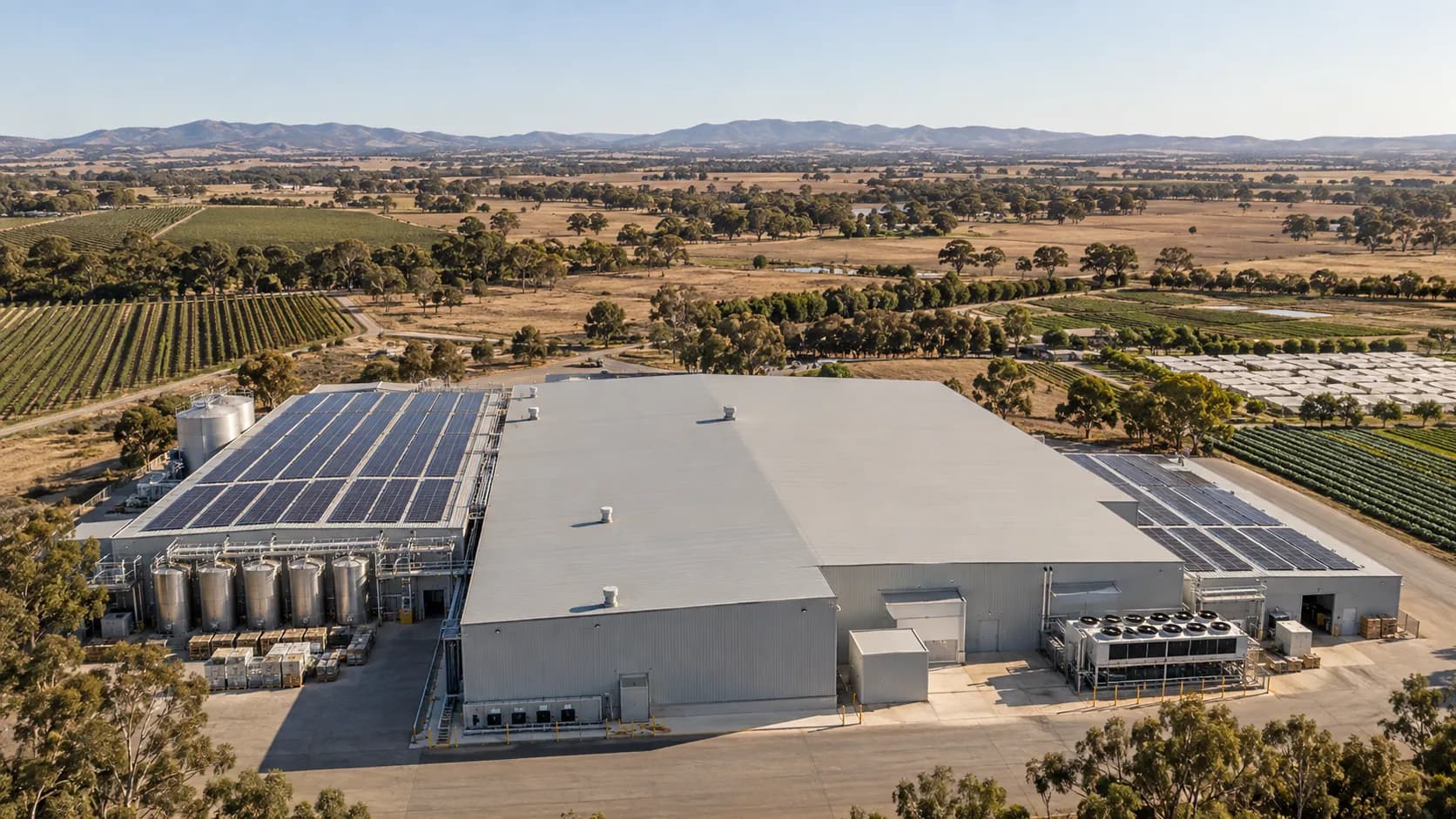
Adelaide · South Australia
In Adelaide, the only solar value worth counting is the power you don't buy
South Australia has more rooftop solar than anywhere else in the country. That makes exports close to worthless and self-consumption unusually valuable, and it should shape every number in a proposal.
- SA Power Networks
- One network, statewide
- 1,450 kWh/kW
- Annual yield
- STC Zone 3
- Federal discount zone
- Dynamic exports
- Required up to 200 kVA
One test for any Adelaide solar proposal
Ask for the payback figure recalculated with export revenue set to zero. If the project still works, it's a sound one. If the numbers fall apart, the proposal was resting on income that South Australia's grid conditions make unreliable, and you've just found that out for free.
Incentives
What South Australia actually offers
South Australia's government has no commercial solar rebate, so STCs are the main up-front support. If your site is in the City of Adelaide council area, check the council's Sustainability Incentives Scheme, which lists business and commercial solar among what it can rebate.
What South Australia does have is the highest share of rooftop solar in the country, and that changes the economics rather than the incentives. Midday wholesale prices are frequently at or below zero, so exports are worth very little and the value of a system sits almost entirely in offsetting what you'd otherwise buy.
The flip side is genuinely good news for the right business. South Australian retail electricity is expensive, so every kilowatt-hour a system displaces is worth more here than in most of the country. A site running plant through the middle of the day is offsetting power at a high rate, which is exactly where solar earns its return. The method is on the cost and payback page.
Sources: energy.gov.au: rebates for South Australian businesses (opens in a new tab); energy.gov.au: City of Adelaide Sustainability Incentives Scheme (opens in a new tab)
Connection
SA Power Networks, and dynamic exports
One network covers the whole state, which makes South Australia the most straightforward connection process of the four cities.
New and upgraded systems in South Australia, up to 200 kVA of export, have to be dynamic-export capable: the network can change your export limit remotely when the grid is congested. It's been a requirement for commercial-sized systems since July 2024, and a competent installer builds for it.
Because midday exports earn so little, an Adelaide proposal that leans on export revenue to make the payback look good is not one to trust. Ask for the numbers with export revenue set to zero and see whether it still stacks up.
Adelaide at a glance
- Network operator
- SA Power Networks
- Coverage
- The whole state, one process
- STC zone
- Zone 3
- Annual yield
- 1,450 kWh per kW
- State rebate
- None
- Export control
- Dynamic-export capable, up to 200 kVA
Good fits
Where the good Adelaide projects are
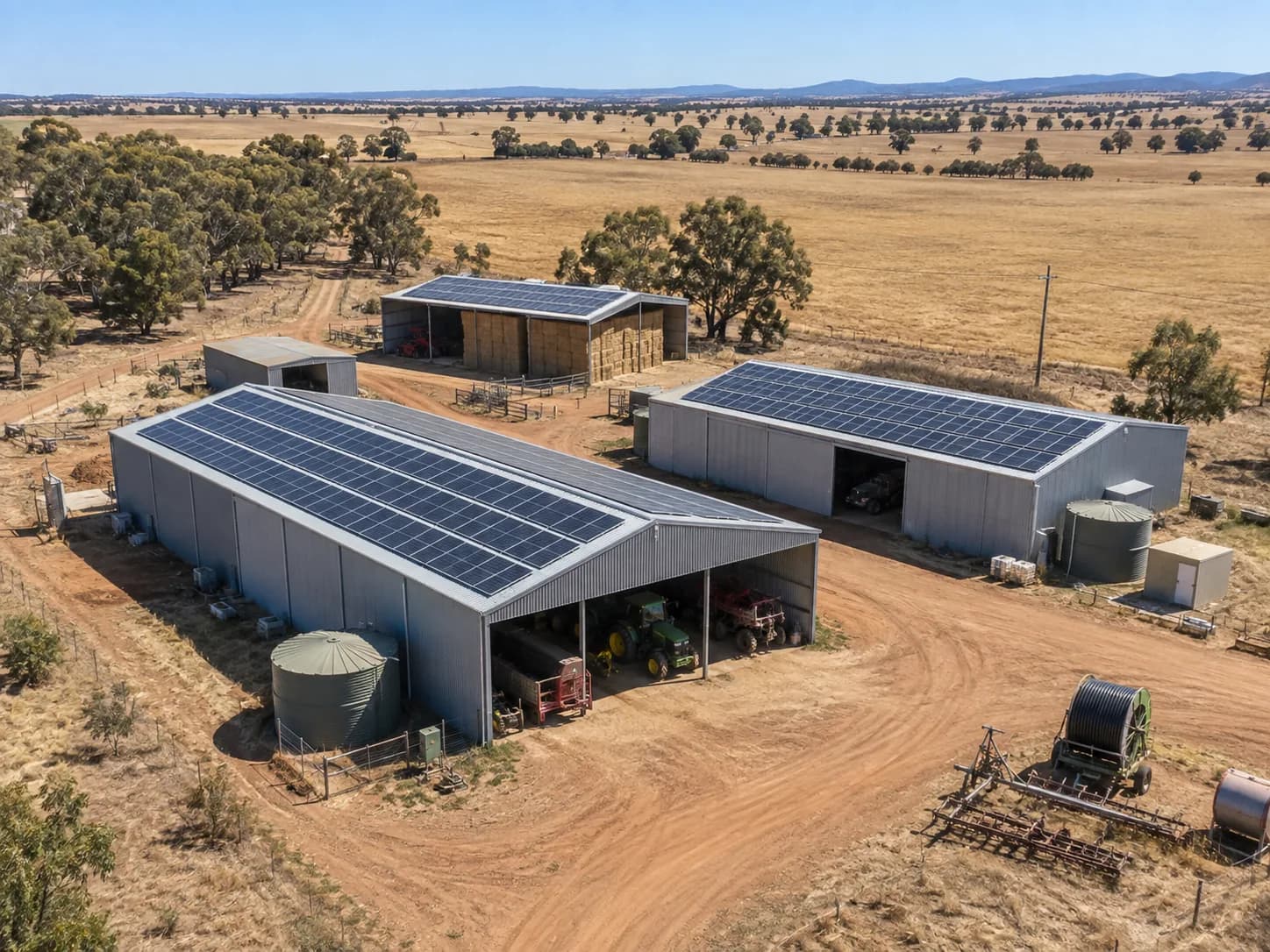
Food processing, cold storage, irrigation, manufacturing on day shift, and anything with refrigeration running through the afternoon. These sites consume most of what they generate, which is the condition Adelaide rewards. They also tend to carry demand charges, and a well-designed system can reduce those as well as the consumption charge.
Sites with heavy evening or overnight load get a smaller system and a longer payback here. That's a real answer and sometimes the right one. It's better to hear it before a deposit than after the first quarterly bill.
What happens after a proposal is accepted is on the installation page.
By industry
Solar by industry in Adelaide
The network rules, the STC zone and the state incentive, worked through for one kind of site.
- Solar for cold storage in AdelaideYes, solar pays for most cold stores in Adelaide, and the reason is the one that makes South Australia different: the value is in what the site uses,…
- Solar for manufacturing in AdelaideFor an Adelaide manufacturer, commercial solar in 2026 pays back in roughly two to two and a half years on a weekday-shift site, provided the system is…
- Solar for wineries in South AustraliaDoes solar pay for a South Australian winery? Sizing to the vintage load when exports are worth almost nothing, and SA Power Networks' export rules.
Guides
Guides to read before you get a quote
- 50kW solar: how your opening hours change the paybackRoof, output, and why daytime trading matters more than price.
- Demand charges explained, and how to cut themHow to find the demand charge on your bill and lower your peak.
- How STCs work for business, and the 1MW changeThe upfront solar discount, how it's worked out, and what changed on 1 October 2026.
Questions
Adelaide questions
Is commercial solar still worth it in Adelaide if exports pay nothing?
For most businesses, yes. The return comes from not buying power at retail rates, and South Australian retail rates are among the highest in the country. A business consuming most of what it generates does well here. A business planning to sell power back does not, and that distinction matters more in Adelaide than anywhere else.
What are dynamic exports?
New and upgraded South Australian systems up to 200 kVA of export have to be capable of having their export limit adjusted remotely by the network when the grid is congested, which in practice means during sunny low-demand periods. It's a normal design requirement here and a competent installer builds for it. It matters mainly because it makes any proposal that leans on export revenue even less reliable.
Does South Australia have a commercial solar rebate?
Not from the state government. Federal STCs are the main upfront support, and Adelaide is in STC zone 3, the same as Brisbane, Sydney and Perth, so the discount is bigger than in Melbourne (zone 4). The City of Adelaide council's Sustainability Incentives Scheme lists business and commercial solar among what it can rebate, so check it if your site is in the council area.
Sources: energy.gov.au: rebates for South Australian businesses (opens in a new tab); energy.gov.au: City of Adelaide Sustainability Incentives Scheme (opens in a new tab)
Why are midday electricity prices so low in South Australia?
South Australia has the highest share of rooftop solar of any state, so on a sunny mild day there is more generation than the state can use and wholesale prices fall to zero or below. That's excellent for a business consuming its own solar and worthless for one hoping to export at a decent rate.
Send an Adelaide bill, costed without exports
One recent bill is enough to size a system and price it. It costs nothing, and there's no obligation.
Send your bill