In short
- A NSW dairy uses less than half of a roof-sized solar system, because milking runs before sunrise and after mid-afternoon. Sized to the midday load, it pays.
- The Bega valley and the north coast are Essential Energy, on long rural feeders with tight export limits. The Hunter is Ausgrid.
- New South Wales has no solar rebate, but its business battery discount suits a dairy that can't export and peaks after dark.
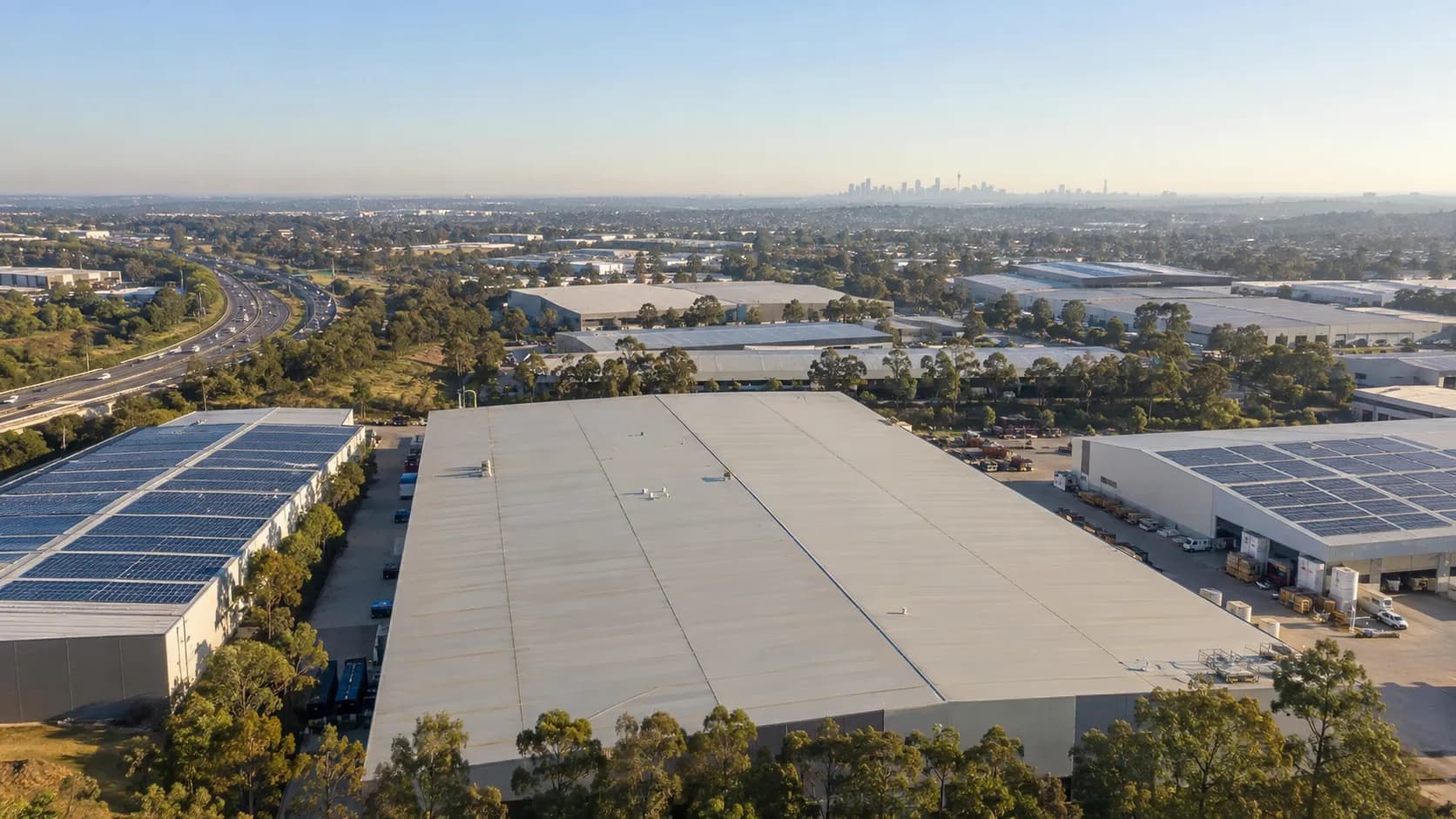
Solar pays on a New South Wales dairy, but it has to be sized to the midday load, and on most of the state's dairy country the network, not the roof, sets the limit. Milking at 5am and 3pm falls outside solar hours. What the panels cover is the vat compressor, the plate cooler, water heating and pumps through the middle of the day. On an Essential Energy feeder running down the Bega valley or along the north coast, exports are often capped close to zero, so a roof-sized system wastes most of what it makes. What NSW adds is a battery discount, which fits a dairy's evening milking and vat cooling well. The general case is on solar for dairy farms and solar for farms.
| Quick facts | Dairy solar in New South Wales |
|---|---|
| Distributor | Essential Energy (Bega, south coast, north coast, inland), Ausgrid (Hunter) |
| STC zone | Zone 3, rating 1.382 |
| State help | No solar rebate. Battery discount through the Peak Demand Reduction Scheme |
| Share of solar used on site | about 45% for a roof-sized system; higher when sized to the midday load |
| What to send | one recent bill for each meter; we get the interval data from it |
What's different in New South Wales?
1. Essential Energy's rural lines, and the Hunter on Ausgrid
The Bega valley, the Shoalhaven and the far south coast, the Manning and Macleay valleys and the north coast around Lismore and Casino are all Essential Energy, which serves most of regional NSW on long feeders and, in many districts, single-wire earth return lines. The Hunter dairies around Maitland, Dungog and Gloucester are on Ausgrid, up to where Essential Energy takes over.
- Up to about 30kW: a simpler process, but the export limit on a rural line can still be small.
- Around 100kW: a full application with an export assessment. On a single-wire line the answer is often a tight cap or zero.
- Several meters: the shed, a pump and the house are usually separate connections. Each has its own limit and its own daytime load, so several smaller systems often use more solar than one large one on the shed, and each claims the STC discount.
The Sydney commercial solar and Newcastle commercial solar pages cover Ausgrid; Essential Energy's rural rules are checked per site.
2. STC zone 3
The coastal dairy districts are zone 3, rating 1.382. A 100kW system installed in 2026 earns 100 × 1.382 × 5 = 691 certificates, rounded down; a 30kW system earns 207. That is about 17% more than the same system in Gippsland. Some inland postcodes may sit in a different zone. The zone table is on the Clean Energy Regulator's site.
3. No solar rebate, but a battery discount
There is no NSW rebate on commercial solar panels. The Peak Demand Reduction Scheme gives an upfront discount on business batteries from 20 kWh to 30 MWh, larger when new solar goes in within 90 days. A dairy is one of the better cases for it: the afternoon milking and vat cooling run just as the solar fades, and a battery charged from midday output the line wouldn't let you export covers that peak. Our commercial solar batteries page shows how to tell whether it pays.
4. Milking times, and a coastal climate
A NSW dairy milks from about 5am and again from about 3pm, with vat cooling and hot-water heating after each. The midday load is the vat compressor cycling and the plate cooler. The coast gets about 1,400 kWh per kW a year, well above Gippsland, and a warmer climate means more vat cooling through the day, which helps self-use.
A worked example for a NSW dairy
Here is a worked example with made-up figures. These are example figures, not our prices or a real site. The price is the one our commercial solar cost page uses for a 100kW system.
- A 100kW system on a dairy shed, assumed to make about 1,400 kWh per kW a year, so about 140,000 kWh a year.
- The dairy uses about 45% of that, 63,000 kWh, because milking falls outside solar hours. The other 77,000 kWh would go to the grid, if the line allows it.
- At $0.28 for each kWh it no longer buys: 63,000 × $0.28 = $17,640. At $0.05 for exports: 77,000 × $0.05 = $3,850.
- Yearly saving $21,490. At an example price of $73,000 after the STC discount, that pays back in about 3.4 years.
If Essential Energy caps exports to zero, the saving falls to $17,640 and the payback to about 4.1 years. Sized to the midday load instead, a smaller system uses most of its output and earns more per kW: about $176 per kW a year in the capped case above, against about $274 per kW for a system that uses 70% of its output. The proposal should show both sizes with the sums, and the battery case beside them.
What to send
Just one recent electricity bill for each meter, every page. Using the meter number on each bill, we get that meter's interval data, which shows when the vat compressor runs, when milking peaks and what the midday load is. You don't need to request anything from your retailer.
Mention milking times, vat size, whether hot water is electric and which meters serve the shed, the pump and the house. Send a bill and an accredited installer prepares a costed proposal sized to the midday load on each meter. Already have a quote? Compare it line by line with our checklist, including whether it assumes exports the line can't take.